




Heading here

Another advantage to the new system is that it promptly sends out a notification if a specimen appears to have been diverted from its course. The team worked to estimate the maximum amount of time it should take to for a specimen to get from one reader to the next. If a specimen doesn’t reach a touchpoint in time, an email alert goes out to all the supervisors, so they know there is a missing specimen.

The opportunity to work with colleagues in the clinical setting, assessing their needs and examining the entire specimen process from beginning to end, is not the norm, according to Dr. Reichard. “Usually, pathologists receive the specimens, and we just have to deal with what we get and the way we get them. Here, we’re on the same team. It’s a different dynamic, and it allows us to collaborate in a unique way,” he says. “Because we’re all part of the same organization at Mayo Clinic, we can come together and have a discussion about this kind of process holistically.”

Dr. Martin agrees that Mayo Clinic is distinctly well-suited to tackle projects like this that span a variety of disciplines and perspectives. “This project underscores the value of our team approach,” he says. “We’re able to accomplish this because we don’t have an ‘us vs. them’ attitude at Mayo Clinic. It’s ‘we.’ The importance of the collaboration for the good of the patient in this scenario cannot be overstated.”
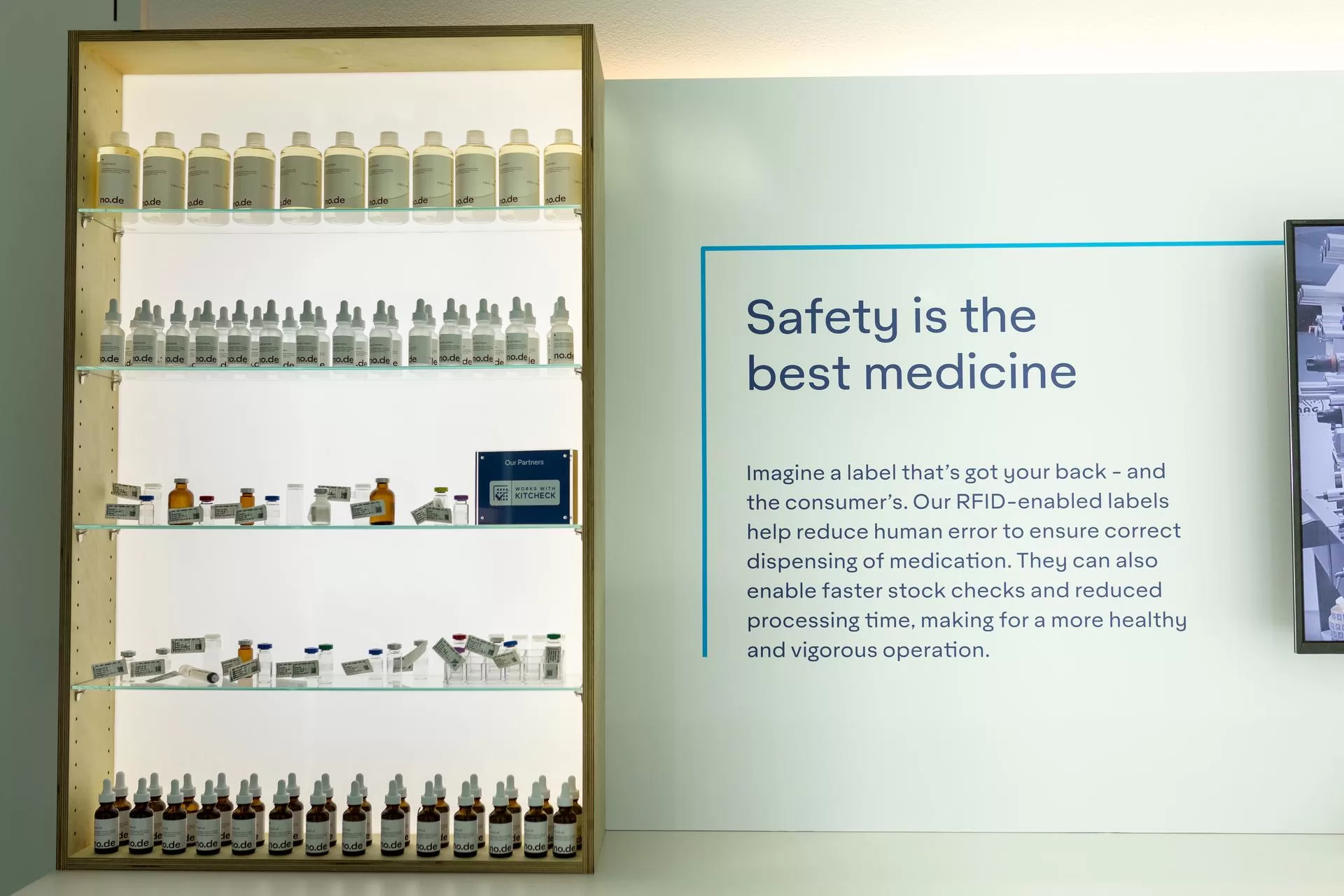
The smart cabinet automatically records entries when items are added, removed, or returned. It utilises facial or fingerprint recognition, or an NFC card, to document staff members accessing its contents, eliminating the need for direct interaction with a computer screen.

In the domain of cloud-based data management services, hospitals and healthcare providers recognise the importance of incorporating smart cabinets into their product offerings. Given the high value of the stored inventory and the prevailing shift toward pay-per-use or consignment payment models, these providers sought a solution that enables medical supply companies to remotely manage their inventory in real-time at the point of use in hospitals.

Heading here

Content here. Boston Scientific needed greater visibility and control over high-value, serialized medical products shipped via air freight into Australia. Manual processes and barcode-only tracking limited real-time insight into the location of goods from point of origin through to distribution centres (DCs) and customer facilities. Given the high value of the stored inventory and the prevailing shift toward pay-per-use or consignment payment models, these providers sought a solution that enables medical supply companies to remotely manage their inventory in real-time at the point of use in hospitals.

Executing stocktakes traditionally involves allocating a representative to locate products and perform the inventory check. This method not only consumes a considerable amount of time but also introduces the possibility of human errors in record-keeping.

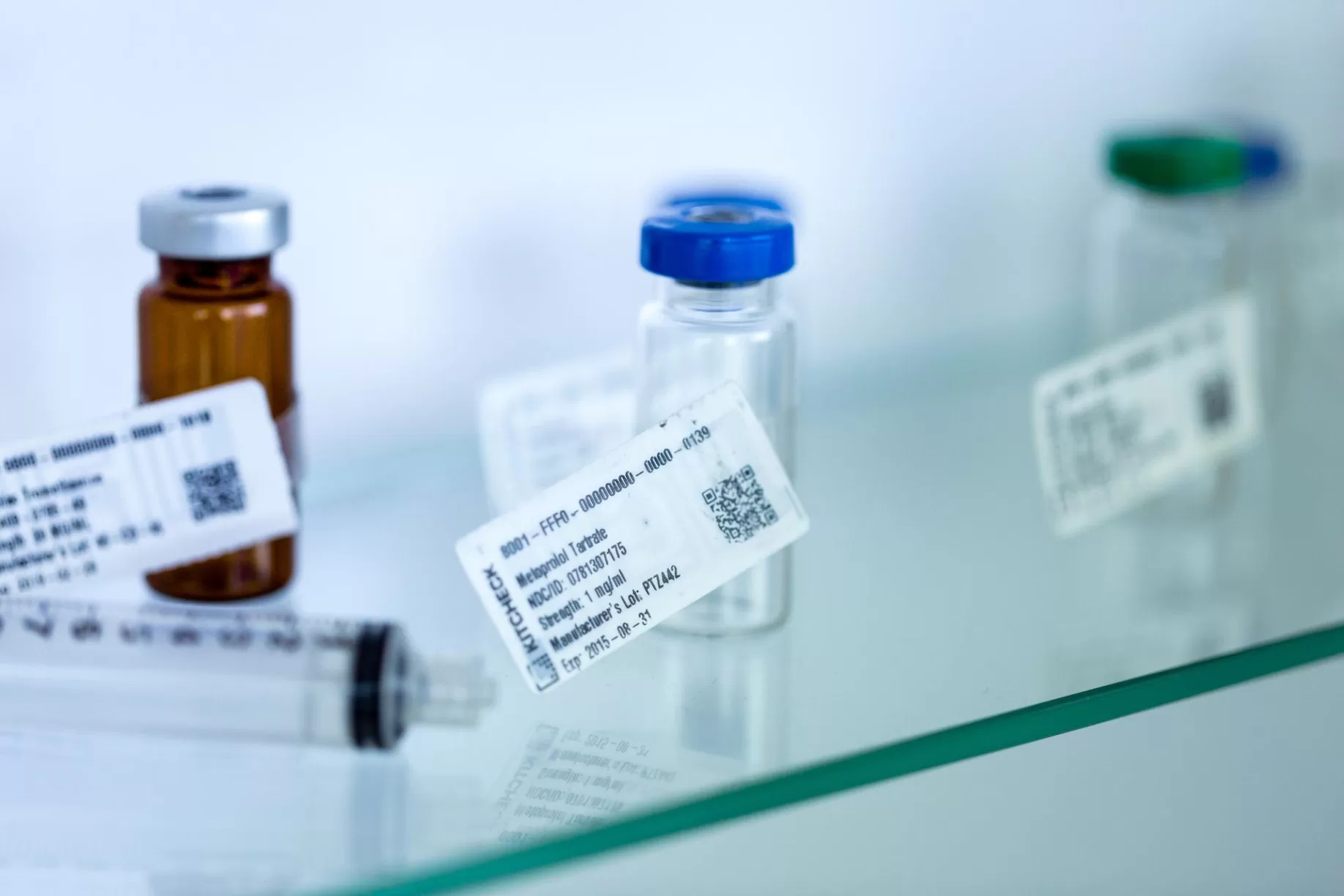
The Pentalym RFID Smart Cabinet plays a crucial role in overseeing essential information concerning medical implants and valuable inventory in medical procedural settings, particularly operating rooms. This technology meticulously monitors individual items stored within the cabinet, capturing details such as batch numbers and expiration dates.

When your organisation relies on having the right people and equipment in place at the right time, there can be absolutely no margin for error. Medical emergencies happen every day, at random, which is why it’s crucial to have a robust system to manage your response – ensuring assets and inventory are connected and accounted for, 24/7. Pentalym enables fast, accurate real-time tracking so that when the call comes, you’re ready.

With scanning technology that makes any smart device a scanner, emergency response team members can track every item of life-saving inventory across hospitals, ambulances or warehouses – simply using the power of Bluetooth. Pentalym’s intuitive software also enables individuals to match unique IDs with locations, all in real-time. This is vital for time-critical emergencies, when a patient simply can’t afford to be patient.